Canadian Health Report: Intimate Partner Abuse Against Men

Introduction

Domestic abuse of women has been in the public eye for many years. Many studies have examined its nature and extent, shelters for abused women have been set up, and legislation and police charging policies have evolved in response to the growing appreciation of the extent of the problem. The extent of the comparable issue of domestic abuse of men is not as well known and understood by the general public. However, recent findings have become available that contribute to a better understanding of domestic or intimate partner abuse of men.domestic-violence-300a-090610

Statistics Canada first collected data on intimate partner abuse of both men and women through its 1999 General Social Survey (GSS). Respondents were asked 10 questions concerning abuse by their current and/or previous spouses and common-law partners during the 12-month and 5-year periods preceding the telephone interview.1 According to their responses, almost equal proportions of men and women (7% and 8% respectively) had been the victims of intimate partner physical and psychological abuse (18% and 19% respectively). These findings were consistent with several earlier studies which reported equal rates of abuse by women and men in intimate relationships.2-16

Some scholars suggest that the motives for intimate partner abuse against men by women may differ from those for abuse against women by men,17 and that women suffer more severe injuries than men.18 Nonetheless, the occurrence of abuse by women against men, and its consequences, warrant attention. It is important for the victims of abuse, whether they be men or women, to know that they are not alone –that is, that such experience is not unique to their personal situation. It is also important for the perpetrators of intimate partner abuse – men or women – to recognize that violence in any form is both morally and legally wrong.
Continue reading

Protecting Youth from Bullying and Cyberbullying

 May 10, 2013

Winnipeg, Manitoba – PMO Office Statment 

The Government of Canada recognizes that bullying and cyberbullying are serious concerns for many Canadian families and communities, and has reaffirmed its commitment to ensuring the safety and well-being of our most vulnerable citizens.

While bullying is not new, cyberbullying or bullying carried out by electronic means is a relatively recent phenomenon. Anyone can be a victim of cyberbullying. As with bullying more generally, young people are the most common targets of this type of behaviour. Bullying and cyberbullying can have a devastating impact on their victims and are particularly harmful to both the welfare and development of child victims.

Protecting our Youth

The Government has undertaken education and awareness, prevention, and, enforcement activities to address the problems of bullying and cyberbullying.

Education and Awareness

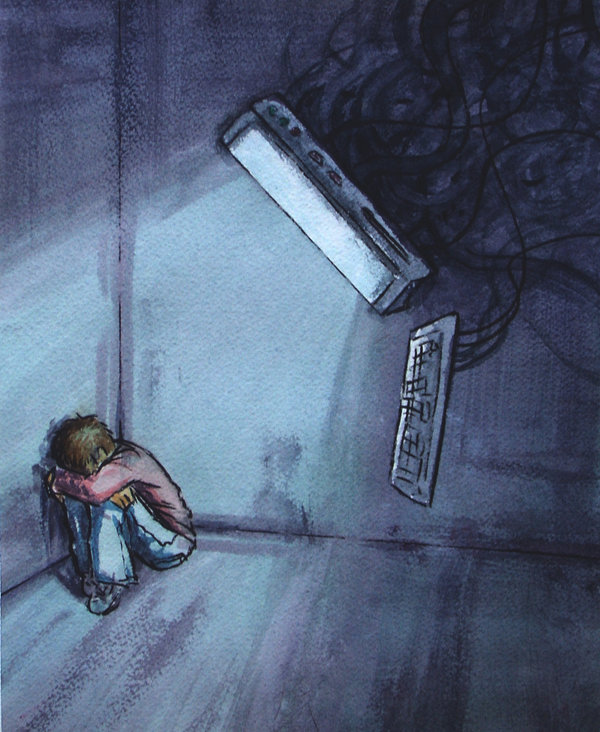
Cyber_Bullying_by_VerlVerl

  • Through the Healthy Canadians website and Facebook pages, the Government reaches out to Canadians on health issues, including information on bullying and cyberbullying, and tips for bullying prevention and intervention.
  • In February 2013, Facebook posts on bullying were seen by over 500,000 people and shared more than 6,500 times.
  • The Youth Resource Centre provides RCMP officers working in over 5,000 schools across the country with cyberbullying lesson plans to teach youth how to recognize, respond to and prevent cyberbullying behaviour.
  • Piloted in 2011, the Walk Away, Ignore, Talk it Out, Seek Help (WITS) program has RCMP officers in 50 elementary schools and has engaged over 8,800 students to prevent bullying and victimization. The program is run in collaboration with Promoting Relationships and Eliminating Violence Network (PREVNet), the Rock Solid Foundation and University of Victoria researchers.
  • The DEAL.org website is a unique by-youth, for-youth, web-based program that offers resources to youth, parents and educators on issues such as bullying and cyberbullying.
  • GetCyberSafe, the Government of Canada’s public awareness campaign on online safety, has information about cyberbullying that includes how to talk to youth about it, and how to respond to this type of incident.
  • Continue reading